

 Every photograph is a negotiation with light — and shutter speed is one of the most powerful tools a camera gives you to control it. Simply put, it’s the length of time the camera’s shutter stays open when you take a shot. Press the shutter button, and a curtain inside the camera lifts, exposing the sensor to light flooding in through the lens. The moment that curtain snaps shut, the image is made.
Shutter speed is measured in fractions of a second — sometimes very small fractions. A setting of 1/250 means the shutter opens and closes in one two-hundred-and-fiftieth of a second. A setting of 1/4 holds it open for a quarter of a second. Modern mirrorless cameras and DSLRs can push this to extremes: as fast as 1/8000 of a second, or as slow as a full 30 seconds. The rule is straightforward — the longer the shutter stays open, the more light reaches the sensor.
Shutter Speed, Exposure, and Motion
Shutter speed does two things at once: it controls how much light hits the sensor, and it determines whether movement in the frame looks frozen or blurred. A longer exposure means more light — and a brighter image. A shorter one cuts that light off fast.
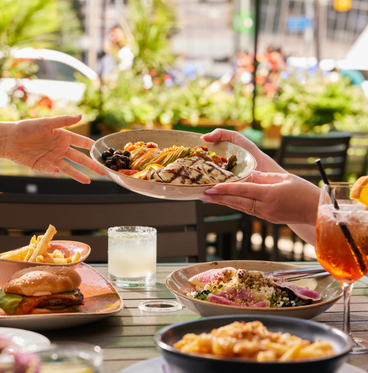
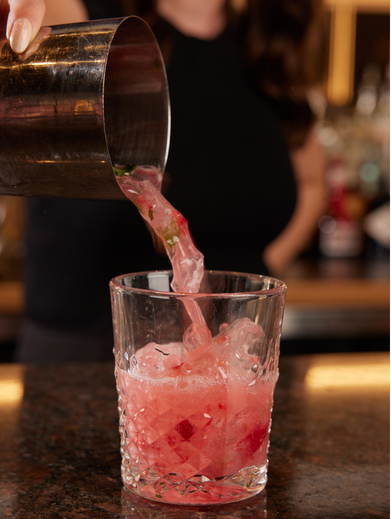
What does that mean in practice? A fast shutter speed — say, 1/500 or higher — freezes action mid-frame. This is useful for photographing a busy Toronto patio during lunch rush, or catching a retail display in a window with people walking past. Slow shutter speeds, on the other hand, let motion blur in deliberately: flowing water, streaking headlights, the ambient energy of a city at night.
Shutter speed doesn’t work alone, though. It’s one side of what photographers call the exposure triangle — alongside ISO and aperture. Change one, and the other two need to compensate. Together, these three settings shape not just brightness, but the entire feel of a shot: sharp and clinical, or soft and atmospheric.
Sample Settings for Daylight and Low Light
Bright sun calls for the Sunny 16 rule: set your aperture to f/16, match your shutter speed to your ISO value — so ISO 200 pairs with 1/200 — and keep ISO low, around 100 to 200, to avoid blowing out the highlights. It’s a reliable starting point before you start experimenting.
Low light is a different puzzle. Shutter speeds between 1/60 and 1 full second let more light in, but that’s also when camera shake becomes a real problem — mount the camera on a tripod at that point. Pushing ISO up to the 1,000–3,200 range helps the sensor gather light faster, though noise creeps in. Pair that with a wider aperture like f/2.8 and you’ve got three levers working together.
Most consumer cameras start showing grain above ISO 1,600; professional bodies handle it better, but the trade-off never disappears entirely. Finding the right balance between adequate exposure and acceptable noise levels is part of the craft.
Food and Restaurant Photography
Toronto’s food and beverage scene is brutally competitive — and your photo is your storefront. Restaurants with high-quality listing images consistently outperform those without.
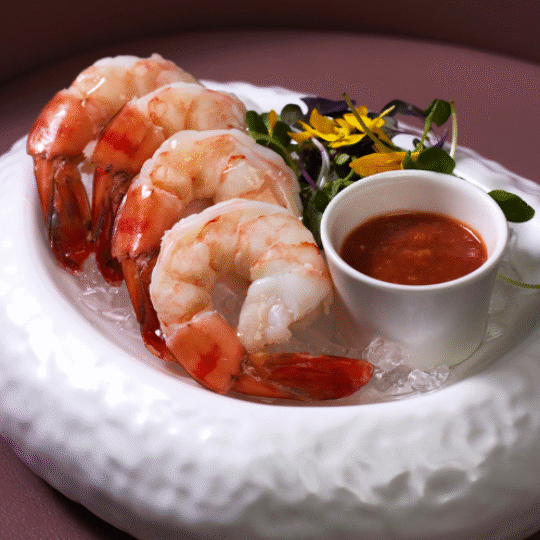
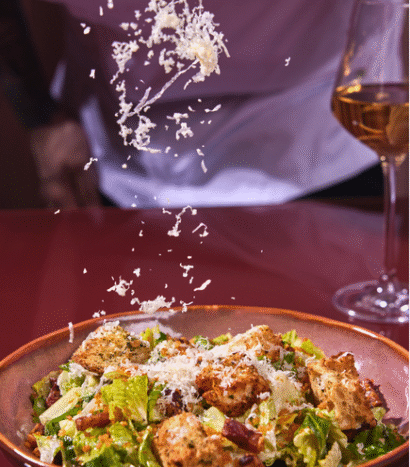
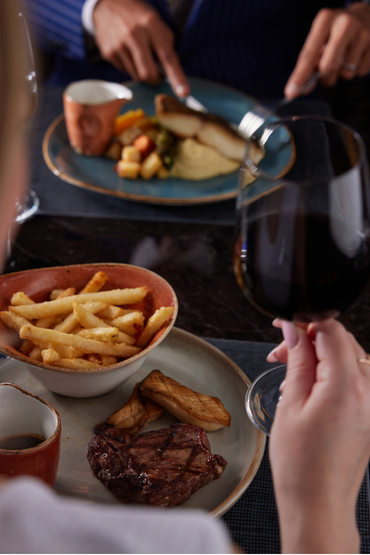
For food photography, aperture priority at f/5.6 or f/8 gives you enough depth to make a dish look intentional. Switch to shutter priority at 1/125s when photographing dishes being plated or served — it freezes the motion without fighting your other settings. Drop below 1/60s handheld, and images start going soft in ways that aren’t always obvious until you’re editing.
Whether you’re a restaurant, café, CPG brand, or beverage startup, photography and video content often make the first impression — and it needs to convert.
Retail and Product Photography
Retail and product photography follows similar logic. For e-commerce, shutter speed around 1/125s or faster prevents blur, while a narrower aperture — f/8 to f/11 — keeps lighting even across the product surface.
Buyers notice the details; a sharp, well-lit image signals professionalism before a single word of copy is read. The Canadian photography industry has experienced renewed momentum, with the market size reaching $1.4 billion in 2026.
Ready to Elevate Your Visual Content?
Whether you’re running a restaurant in the GTA, launching a product line, or refreshing your brand’s visual identity, professional photography makes a measurable difference. Contact Gia Marescotti to discuss how we can bring your business to life through compelling, high-quality imagery that converts browsers into customers.
Whether you’re shooting a busy restaurant patio at 1/500s or freezing a beautifully styled product display in a storefront window, the images you capture are only as powerful as the professional behind the lens. If you’re a Toronto business looking to elevate your brand with stunning visuals, Gia Marescotti Photography delivers exceptional results across food, retail, and commercial work. With a refined eye for light, composition, and storytelling, Gia transforms ordinary products into compelling imagery that converts. Explore the full portfolio of commercial product photography in Toronto and see what’s possible for your brand.